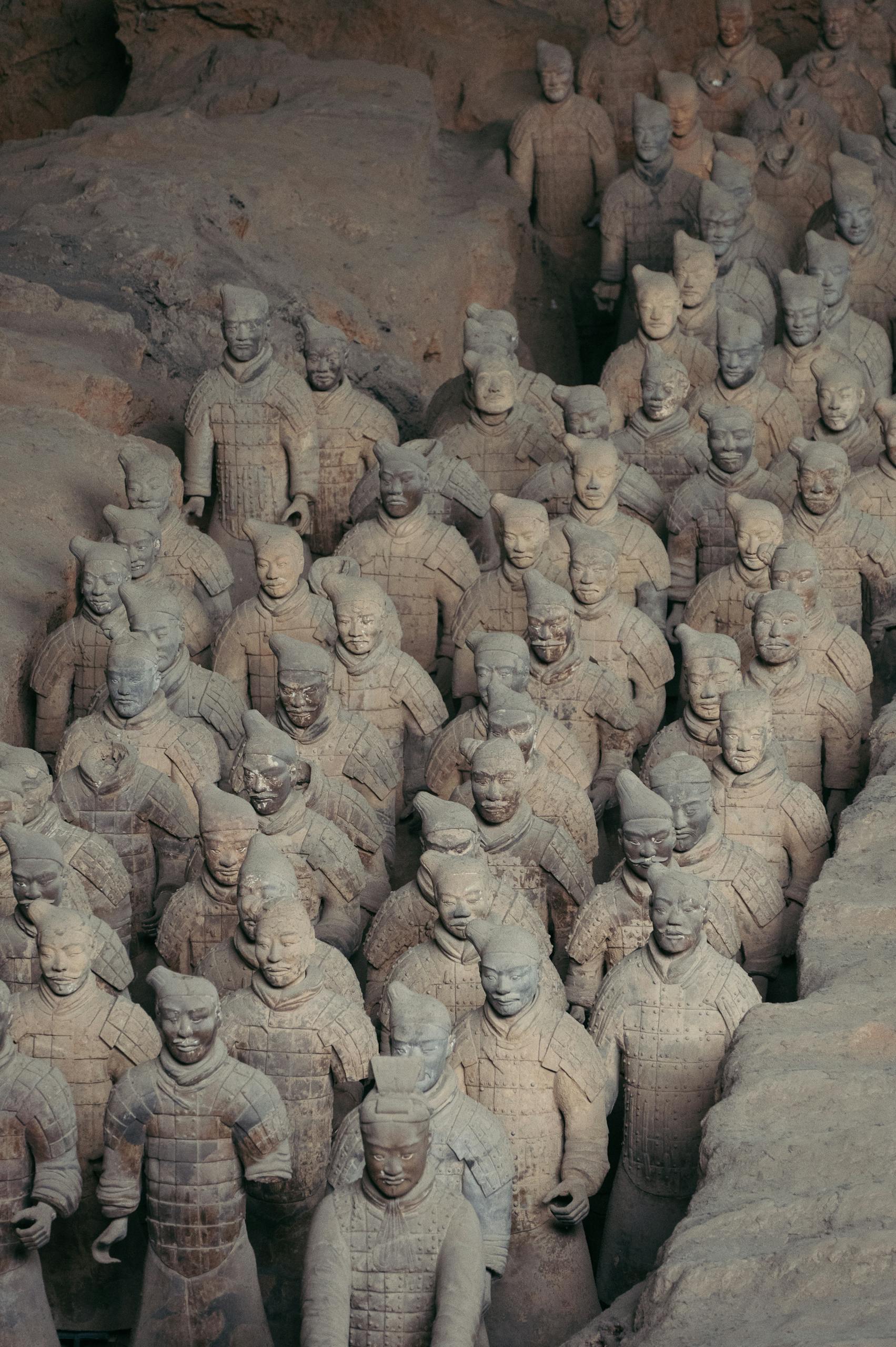
The Real Lesson from Sun Tzu- Stop Overcommitting Your Team
Everyone misquotes “know your enemy” as if Sun Tzu were teaching how to fight. He was teaching leaders how to allocate scarce resources when the future is uncertain. The Art of War dedicates more pages to supply lines than sword techniques, more to knowing when not to fight than how to win. His general doesn’t charge into battle—he waits until victory is assured, then advances. Wars aren’t won by the bravest soldiers, but by the army that still has supplies when winter arrives.
Modern organizations wage war on multiple fronts simultaneously: new markets, strategic pivots, or product launches. Meanwhile, their top contributors quietly update LinkedIn profiles—or scan internal job boards. A director promises “two weeks!” without ever asking the frontline engineers, analysts, or specialists—leaving critical connections invisible from the start. Then somehow leadership is perplexed by budget deviations and missed milestones, blind to Sun Tzu’s core warning: overcommitting before securing the means to deliver. You’re not encircled by rivals or forces beyond your control; you’re trapped by promises you can’t fulfill.
Unfortunately, no matter how many new hires you add, team rallies you hold, or deadlines you push can make a difference at this point. Instead, you’ve locked yourself in untenable positions that should be immediately reevaluated. In the view of Sun Tzu, your forces are stretched across terrain that can’t be defended. Your best talent sees this first, and that’s why they leave.
Sun Tzu would advise retreat—not from weakness, but from clarity. The enduring generals don’t fight every battle; they preserve their army for the ones that matter. That’s the disciplined path to long-term dominance.
At Daowise, our certifications equip leaders with battle-tested diagnostics to bridge that leadership-doers gap—ensuring dependencies are mapped and contributors consulted before any commitment. We can help you explore common problem areas including project management, procurement, innovation, and beyond, turning chaos into predictable advantage. How many positions is your team defending today that can’t be held? Let’s audit them together.